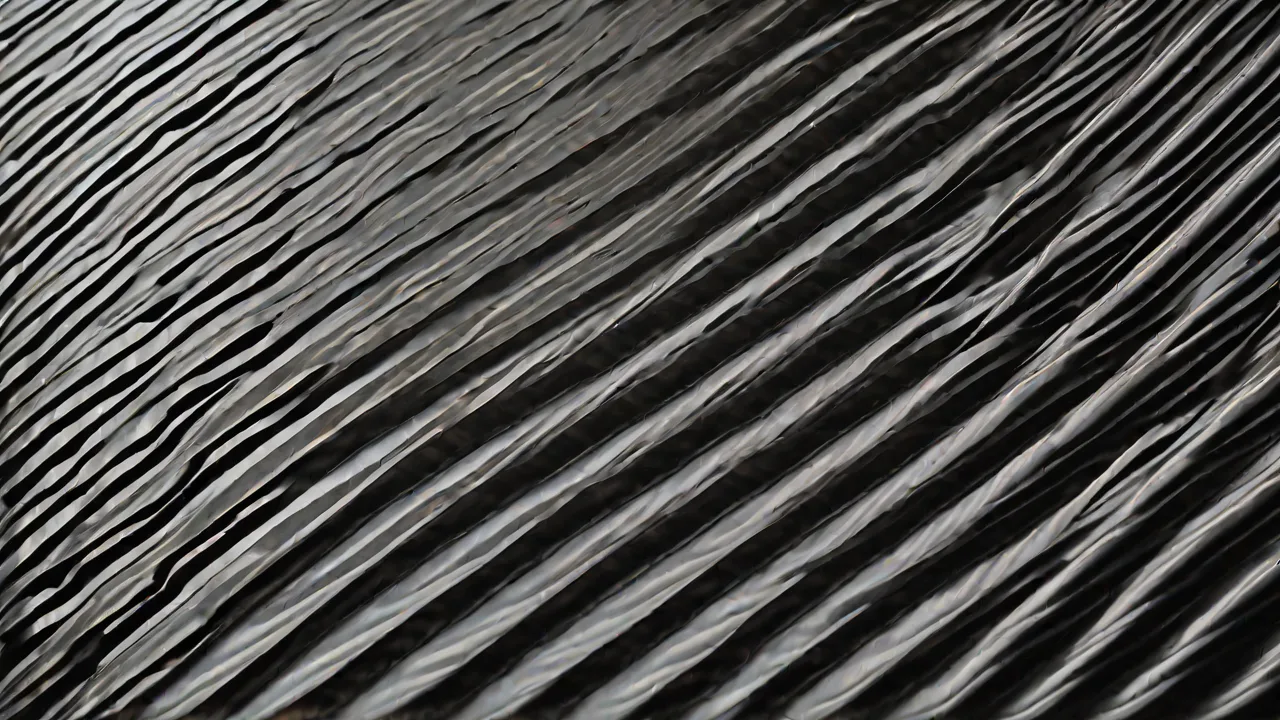
The Role of Carbon Fiber in BMW M8’s Lightweight Construction
The BMW M8 is renowned for its exceptional performance and innovative engineering. A key factor behind its impressive speed and handling is the extensive use of lightweight materials, particularly carbon fiber. This material helps reduce the vehicle's overall weight, enhancing agility and fuel efficiency.
What is Carbon Fiber?
Carbon fiber is a strong, lightweight material made from thin strands of carbon atoms bonded together in a crystal structure. Its high strength-to-weight ratio makes it ideal for high-performance automotive applications. In the BMW M8, carbon fiber is used in various components to improve overall vehicle dynamics.
Applications of Carbon Fiber in the BMW M8
- Body Panels: The hood, roof, and trunk are made from carbon fiber-reinforced plastic, significantly reducing weight.
- Interior Components: Certain interior elements, such as trim and structural supports, utilize carbon fiber to enhance rigidity without adding weight.
- Chassis and Frame: Carbon fiber reinforcements are incorporated into the chassis to improve stiffness and handling.
Benefits of Using Carbon Fiber
The integration of carbon fiber provides several advantages:
- Weight Reduction: Lighter vehicles accelerate faster and handle more precisely.
- Enhanced Performance: Reduced weight contributes to better acceleration, braking, and cornering.
- Improved Fuel Efficiency: Less weight means less energy required for movement, leading to better fuel economy.
- Superior Aesthetics: Carbon fiber offers a sleek, modern look that complements the sporty design of the M8.
Conclusion
The use of carbon fiber in the BMW M8 exemplifies how advanced materials can revolutionize automotive engineering. By reducing weight while maintaining strength and durability, carbon fiber plays a crucial role in delivering the high-performance experience that enthusiasts expect from BMW's M series.